New AC Installation in Elgin IL for Better Indoor Comfort
A new air conditioner does more than cool a house. It changes how the entire home feels in July, how evenly bedrooms hold temperature at night, how often the system kicks on, and how much confidence a homeowner has when the forecast turns humid and sticky for a week straight. In Elgin, where summer heat can settle in fast and older systems often struggle to keep up, the difference between an aging unit and a properly sized new installation is not subtle.
People often start thinking about replacement after a breakdown. That is understandable. A system quits on a 92 degree afternoon, the house climbs into the upper 70s, and suddenly the conversation shifts from “maybe next year” to “how soon can this be done?” But many of the best AC installation projects happen before the emergency. When there is time to inspect the ductwork, verify electrical capacity, review efficiency options, and talk honestly about comfort problems in different parts of the home, the outcome is usually much better.
For homeowners looking into AC installation Elgin IL, the real goal is not simply to swap one box for another. The goal is better indoor comfort, lower stress on the equipment, and performance that matches the home instead of fighting against it.
Why a new AC can transform comfort, not just temperature
A lot of people judge an air conditioner by one simple standard, does it turn on and make cold air? That is a low bar, and many systems clear it while still delivering disappointing comfort. A house can technically cool down and still feel clammy. One floor can feel fine while the second floor stays warm. The living room may recover quickly after dinner, while the back bedrooms remain stuffy until midnight.
New equipment addresses those issues when the installation is handled thoughtfully. Modern systems, especially when paired with the right indoor coil, blower settings, and thermostat controls, can improve humidity removal, airflow balance, and temperature consistency. Those details matter in everyday life more than homeowners often expect.
In Elgin homes, especially those built years ago with original duct layouts or equipment that has been replaced more than once, comfort complaints usually have layers. The outdoor condenser might be near the end of its life, but the real story also includes return air limitations, undersized supply runs, clogged evaporator coils, weak blower performance, or a thermostat placed in a poor location. A solid HVAC contractor Elgin IL will not ignore those conditions just because the immediate job is installation.
That is one reason homeowners should be cautious with quotes that seem unusually simple. If the proposal only mentions the condenser and tonnage with no discussion of load, airflow, drain setup, line set condition, or electrical requirements, that is a warning sign. Good installation is detail work. It is not glamorous, but it determines whether the equipment performs like it should.
The signs your current system is ready to be replaced
Most failing AC systems do not announce themselves all at once. They usually decline in stages. First, the unit runs longer than it used to. Then the utility bill creeps up. A few rooms stop cooling evenly. Repair calls become more frequent. Eventually, the equipment reaches the point where each new fix feels harder to justify.
Homeowners in Elgin often ask where the line is between repair and replacement. There is no single answer that fits every home, but certain patterns come up again and again in the field:
- The system is 12 to 18 years old and needs a major repair.
- Cooling is uneven even after basic service and filter changes.
- Humidity stays high indoors during warm weather.
- The unit uses an older refrigerant or has recurring leak issues.
- Summer electric bills keep rising without a clear explanation.
That list is only a starting point. Age alone does not condemn a system, and a newer unit can still perform poorly if it was installed badly from day one. I have seen older equipment limp along respectably because the ductwork was right and maintenance was consistent. I have also seen seven-year-old systems with compressor damage caused by poor airflow, oversized equipment, or sloppy commissioning.
When homeowners are already paying for repeated air conditioning repair Elgin IL visits, it usually makes sense to step back and look at the full cost picture. A capacitor or contactor is one thing. A failing compressor, leaking coil, or repeated refrigerant charge issue is another. At that point, replacement often becomes the more practical choice.
Proper sizing matters more than most people realize
One of the most common mistakes in residential cooling is oversizing. It sounds counterintuitive to homeowners because bigger feels safer. If a three-ton unit cools well, then a four-ton unit should cool even better, right? In practice, that logic creates problems.
An oversized system cools the house too quickly, which shortens run cycles. Short cycles mean less dehumidification, more temperature swings, and extra wear from frequent starts and stops. The air may feel cold for a few minutes, but the house can still feel damp and uncomfortable. That is a familiar complaint in homes where a replacement was based on the old unit’s size instead of an actual load calculation.
Undersizing is a problem too, but it is less common than many think. Most reputable professionals are careful not to undershoot capacity. The bigger risk in residential work is defaulting to too much equipment because it feels like the easier sales answer.
A reliable HVAC company Elgin IL should look at square footage, insulation levels, window exposure, duct configuration, ceiling height, occupancy patterns, and other practical factors before recommending equipment size. Manual load calculations take time, but they are worth it. Even if two homes on the same street have the same floor plan, they can cool differently depending on attic insulation, sun exposure, air leakage, and renovations.
This is where experienced judgment matters. A purely theoretical number on paper still needs to be interpreted in context. For example, a home with known duct restrictions may not respond well to an equipment choice that looks perfect in isolation. Installation quality and system design have to work together.
Installation day is only part of the job
Homeowners sometimes picture installation as a one-day equipment swap. In reality, the visible replacement is just one part of a larger process. The best results come from careful preparation before the crew unloads the first tool.
A thorough installation typically involves checking the refrigerant line set, inspecting or replacing the evaporator coil, verifying the condensate drain arrangement, reviewing the disconnect and breaker sizing, checking the pad or mounting base, and confirming that the indoor blower can deliver proper airflow for the selected tonnage. If the ductwork has obvious problems, those should be discussed upfront, not treated like an afterthought.
A clean startup matters just as much. Refrigerant charge should be set correctly based on manufacturer guidance and operating conditions. Static pressure and airflow should be evaluated. Thermostat settings should be confirmed. Drainage should be tested. Homeowners should receive a plain-English explanation of how the system will operate, what normal sounds are, how often to change filters, and what warranty steps need to be completed.
When these details get skipped, comfort suffers. So does equipment life. That is why choosing an HVAC Elgin IL provider based on more than headline price is so important. Two estimates may look similar on the surface while reflecting very different levels of workmanship.
Ductwork can make or break a new AC system
This is where many installations fall short. Homeowners buy new equipment expecting a dramatic improvement, then discover that the same hot room is still hot. The problem is not always the new unit. Often, the duct system was never delivering enough conditioned air to that room in the first place.
In older homes around Elgin, duct issues are common. Supplies may be undersized. Returns may be too limited. Flexible duct may be kinked or poorly supported. Basement trunk lines may have leakage at joints. Upstairs rooms may suffer because the system cannot move enough air where it needs to go. No outdoor unit can fix that by itself.
A good HVAC contractor Elgin IL will talk honestly about whether the ductwork supports the proposed equipment. Sometimes the fix is relatively small, such as sealing obvious leaks, adding a return path, adjusting balancing dampers, or enlarging a critical branch run. Other times the duct design needs more extensive work. Homeowners do not always love hearing that, but ignoring it is worse. New equipment installed on a flawed air distribution system often underperforms from the first day.
Humidity complaints are another clue. If airflow is too high or too low, the evaporator coil will not do its job properly. That can leave the home cool enough on a thermostat reading but still uncomfortable to live in. Comfort is not just about temperature, it is about how the air feels in the space.
Efficiency matters, but comfort should lead the decision
SEER ratings and marketing claims get a lot of heating and air conditioning Elgin IL attention, and efficiency does matter. A more efficient system can reduce operating costs, especially during heavy summer use. But homeowners sometimes chase the highest possible rating when a better-balanced option would serve them more reliably.
The smartest equipment choice depends on how long the homeowner plans to stay in the house, the local utility rates, the condition of the duct system, and whether humidity control is a concern. In some homes, a modest efficiency upgrade delivers excellent value. In others, a variable-speed system may be worth serious consideration because of quieter operation, better moisture control, and more even temperatures.
Still, the highest-end system is not automatically the best answer. More sophisticated equipment demands proper installation and setup. If a contractor is not comfortable commissioning advanced controls or matching communicating components correctly, a premium unit can become an expensive frustration.
That is why homeowners should ask not only what brand is being proposed, but why that model fits the home. A trustworthy heating and air conditioning Elgin IL professional can explain the trade-offs clearly without leaning on hype.
Questions worth asking before you approve an estimate
A strong estimate should leave the homeowner with fewer mysteries, not more. If the proposal feels vague, press for detail. That does not mean turning the process into an interrogation, but it does mean protecting your investment.
Here are a few useful questions to raise during the selection process:
- How was the system size determined for this home?
- Will the evaporator coil and refrigerant components be matched properly?
- Are there any ductwork or airflow issues that could limit performance?
- What startup testing and commissioning steps are included?
- Who handles warranty registration and what maintenance is recommended?
The answers often reveal a lot about the company. A capable HVAC company Elgin IL will usually welcome these questions because they create clearer expectations and fewer surprises later.
The relationship between AC installation and year-round system health
Cooling and heating equipment are tied together more closely than some homeowners realize. The indoor blower, control board, thermostat, electrical components, and airflow path all affect both summer and winter performance. That is one reason replacement conversations often branch into broader HVAC repair Elgin IL concerns.
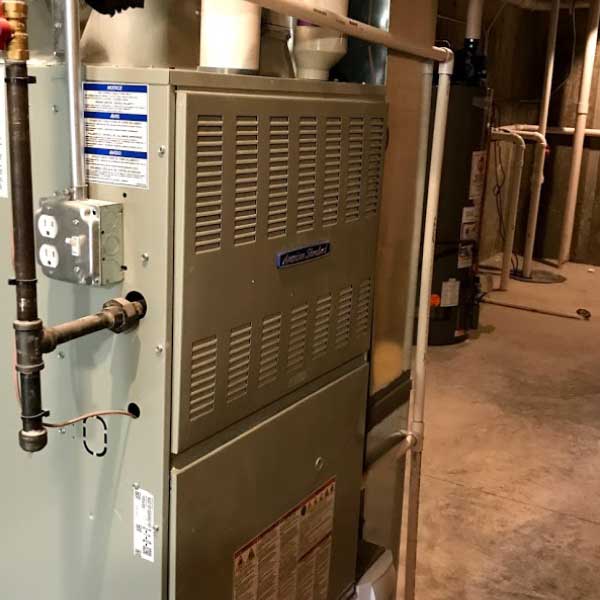
For example, if the existing furnace has a weak blower motor, cracked housing, or control problems, it may not be the best partner for a new air conditioner. In some cases, replacing the cooling system alone makes sense. In other cases, especially when the furnace is also aging, a matched system may be the better long-term choice.
That matters in northern Illinois, where cooling may dominate summer discussions but heating reliability is just as critical for the rest of the year. A homeowner who has already dealt with furnace repair Elgin IL or heating repair Elgin IL issues should look at the entire system honestly before deciding how much to invest in only one side of it.
There is also a practical scheduling advantage. Replacing connected components at the right time can reduce labor duplication and simplify warranty coverage. It can also improve efficiency and comfort because the pieces are designed to work together.
Real-world comfort issues a new system can solve
The best installation results are often measured in very ordinary moments. A second-floor bedroom that used to stay warm finally sleeps comfortably. The house no longer feels sticky after a thunderstorm. The AC does not roar to life every ten minutes and shut off just as quickly. Family members stop adjusting the thermostat down lower and lower trying to force the house to feel better.
One memorable pattern in residential work is how often homeowners describe their old system in terms of compensation. They kept blackout curtains closed all day. They ran extra fans in hallway corners. They avoided using the oven in the evening. They accepted that one room was “just always hot.” When the new system is installed correctly and airflow issues are addressed, those habits often fade because they are no longer necessary.
That is the difference between cooling equipment that merely operates and a home comfort system that actually works.
Why local experience in Elgin matters
Climate, housing stock, and service history all shape installation decisions. Elgin homes range from older properties with retrofit ductwork to newer builds with tighter construction and more complex zoning expectations. A contractor who understands local conditions is more likely to recognize the patterns that affect performance.
Humidity swings, attic insulation gaps, aging electrical panels, and additions that were tied into existing systems without enough airflow planning are all common issues in this part of Illinois. A local HVAC Elgin IL professional has usually seen these problems before and can spot them faster than someone treating every house like a generic replacement job.
That local familiarity also helps with practical logistics, permit expectations where applicable, and realistic seasonal timing. Homeowners who wait until the first major heat wave often face tighter schedules and fewer choices. Planning ahead opens the door to better decision-making.
What homeowners can do to protect their investment after installation
A new AC system still needs support. Even excellent equipment will drift out of optimal performance if filters go unchanged, coils get dirty, drains clog, or small electrical issues are ignored. The goal after installation is not intensive maintenance, but steady, basic care.
Homeowners can help by changing filters on schedule, keeping outdoor units free of overgrown vegetation and debris, paying attention to unusual sounds, and scheduling routine service before peak summer demand. If cooling changes noticeably, such as longer run times, weak airflow, or rising indoor humidity, it is better to address it early than wait for a complete failure.
That is where a reliable service relationship matters. Whether the need is seasonal maintenance, HVAC repair Elgin IL support, or a future heating check before winter, continuity helps. Technicians who know the system history can often diagnose issues faster and spot patterns that a one-time visit might miss.
Better comfort starts with a better installation
A new air conditioner is a major home investment, but the real value is felt in daily comfort, steadier humidity, quieter operation, and confidence during the hottest weeks of the year. For homeowners considering AC installation Elgin IL, the biggest decision is not just which brand to buy. It is which contractor will size the system correctly, address airflow honestly, install it cleanly, and verify that it performs as promised.
That level of care is what separates a rushed replacement from an upgrade that truly improves the home. When the right equipment is paired with thoughtful design and experienced workmanship, better indoor comfort is not a sales phrase. It is something you notice every day the moment you walk in the door.